بیانیه کمیسیون حقوقی و قضایی دبیرخانه مجمع تشخیص درباره تصویب پالرمو
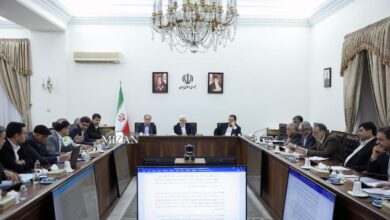
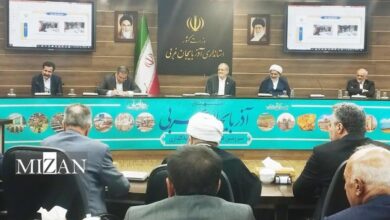
According to the Public Relations of the Expediency Council, the Legal and Judicial Commission of the Secretariat of the Assembly has made a statement following the approval of the Palermo Bill at the Expediency Council, in order to address public opinion and answer questions and ambiguities.
The full text of this statement, made in 2 paragraphs, is as follows:
In recent weeks, when the issue of the Islamic Republic of Iran’s attachment to the two conventions of the Palermo and CFT conventions has been on the agenda of the Expediency Council, various individuals, groups, and circles have been approved and opposed to these two international documents in the country’s media space. They need to declare that opposition mainly derives from the unfamiliarity and lack of knowledge of the provisions of the assignments and obligations set forth in the said conventions, and the objections and suspicions and warnings that have been often free and free from technical and legal reasoning.
To this end, and with the aim of explaining the reasons for the recent decision of the Assembly in the approval of the UN Convention against Transnational Organized Crime, the Palermo Convention, the Legal and Judicial Commission of the Expediency Council, the Expediency Council, has provided some necessary explanations, which detail to the Iranian nation:
A: History
The United Nations Convention on Transnational Organized Crime aimed at “promoting cooperation between member states to prevent and fight more effectively with transnational organized crimes” approved November 1 in the UN General Assembly Resolution No. 2 and in December in Palermo, Italy. According to the mechanism provided for in Article 2 of the Convention, this document has been enforced since September 9. Currently, five countries have signed the Convention and 4 countries have approved it. Iran’s accession to the Palermo Convention on December 5, on the recommendation of the Ministry of Foreign Affairs, was approved by the Cabinet and then approved by the Islamic Consultative Assembly on February 7. The Guardian Council has approved its resolution, and the parliament amended its resolution in order to address the objections and opinions of the Guardian Council, but this time the Guardian Council, in addition to its previous deficiencies, added the objections announced by the Expediency Council’s Supervisory Board, and the resolution has returned to the Majlis. The parliament again amended its resolution, and the Guardian Council, on 1/4/11, accepted its deficiencies that the Supreme Supervisory Board is still remains. Subsequently, the Majlis sent its resolution to the Expediency Council, insisting on the approval of the permission to join the Convention and in the implementation of Article 4 of the Constitution; Therefore, the Bill of the Islamic Republic of Iran Government to the Palermo Convention after the “conditional approval” of the Islamic Consultative Assembly in the winter of 2008 and the final approval of the Guardian Council, was referred to the Expediency Council solely due to the “Supreme Supervisory Board” objections to some general policies of the system. At that time, the Assembly did not make a definitive decision on the approval or rejection of the bill, and with the expiration of a one -year legal deadline, in accordance with the internal bylaws of the Assembly, the Guardian Council’s opinion was consolidated, which was the rejection of the Majlis. But the then president in a correspondence asked the Supreme Leader of the Revolution that the parliament’s resolution be re -approved and approved. The leader of the revolution accepted the re -examination of the matter at the Assembly, but the assembly did not decide at this stage, and the pursuit of the issue was stopped by the end of the twelfth government in the first half of the year and the formation of a new government. Following the election of Mr. Medical as President in 2008, with his request from the revolutionary leader and re -examining the matter, the Majlis resolution on the Palermo and CFT Convention was on the agenda of the Expediency Council for the third time, and its review was formed in January last year. At this stage of the investigation, the objections of the Supervisory Board were reviewed during the first six months of last year at the Secretariat of the Assembly and then in the Joint Commission and attended by a number of members of the Expediency Council, and the Commission, in accordance with the provisions of the Islamic Consultative Assembly, was approved and enforced by the Islamic Republic of Iran. The objections and concerns raised by the Supreme Supervisory Board identified, and the Expediency Council’s Council, at a meeting of more than three -fifths of the members, confirmed the same expert recognition of the Islamic Republic of Iran on Wednesday, May 6, with the Islamic Republic of Iran.
B: Disadvantages and ambiguities
1. A letter from the Islamic Consultative Assembly to the Chairman of the Expediency Council is the question of why the Assembly approved the parliament in 2008, while the majority of the current MPs are opposed to joining the said conventions, and the Assembly should consider the convention. It is clear that it is impossible to apply such a request to Article 4 of the Constitution; The incorporation of the said Convention has been the Majlis’s insistence, and the Assembly is merely competent to review the resolution, and sending a letter – albeit by the majority of the House of Representatives – can in no way replace the formal parliamentary resolution and oblige the Assembly to consider it.
2. Some have claimed that by accepting these conventions, vital economic information and banking transactions will be provided to the enemies of the country. The claim, which is one of the most important and most important arguments of the opposition, was the focus of the members of the Expediency Council during the review of the Joint Commission and then the council, and because of its importance, the attention of the conventions of the Conventions, and the conventions of the Conventions, and the conventions of the Conventions, and the conventions of the Conventions. There are no countries to provide economic and vital information outside the framework of domestic law.
1. Another argument in opposing the assembly’s decision to adopt the Palermo Convention (as well as the CFT) is that the decision has no benefit to the country despite the cruel US sanctions and the conditions of negotiations underway. The Expediency Council has considered this argument to be inadequate to reject the convention because its arguments overwhelm the benefits of accession and the benefits and interests of the Islamic Republic of Iran to the Palermo Convention can be presented; Including that, with the exception of some small countries or judicial areas, most of the countries have accepted and joined these conventions, including the turn of the Islamic Republic of Iran into an exception among other countries in accepting international commitments to combat organized crime – as well as countering the financing of terrorism. And the State Department’s efforts to network international networking cost the country’s national interests. In addition, the members of the Expediency Council consider the fact that all conventions accepted by the Islamic Republic of Iran have opportunities and threats to countries that must take the most of the opportunities and minimize threats by adopting appropriate measures. Some of these conventions, such as the Anti -Corruption Convention, which the Islamic Republic of Iran has been more ease of years ago, has imposed much heavier commitments than the Palermo and CFT conventions; Including that the convention has the control and inspection and performance system of member states, while the two Palermo and CFT conventions lack such mechanism, and member states have basically no obligation except mutual obligations with other member states. Other benefits of joining the Convention – which have been the focus of the members of the Assembly – can be strengthened by attracting investment and foreign tourists by reducing the country’s credit risk, promoting international confidence and reducing US economic sanctions, strengthening the legal legitimacy of the Islamic Republic of Iran. Concerning the failure to cooperate in the convention, the public’s attention to the government’s efforts to remove the international barriers to foreign trade and investment, prevent the intensification of conflict measures in the Financial Action Task Force, even if the blacklist fails, to facilitate trade, and benefit from the results of negotiations. It is, facilitating and accelerating internal regulations in the field of combating transnational and financial and regulatory organizations, and the possibility of benefiting from the capacity of legal assistance mechanisms with other member states of the Convention and the extradition of criminal offenders and offenders.
1. It has been the case that accepting accession to these conventions is not expedient as the State Department is negotiating with the United States, but one should be privatized by the Palermo and CFT conventions in negotiations. In response, it should be said that, in order to see the US, in no way demanding Iran’s accession to these two conventions – which requires exit from the blacklist – the acceptance of these two conventions will not bring any concessions for Iran by the United States, and it should be noted that the issue of joining the United States has begun to join the United States. The negotiations cannot and should not be able to stop or withdraw from the agenda of the Assembly, while the revolutionary leader’s repeated emphasis on avoiding the affairs and issues of the country with the negotiations should always be the installation of all.
1. Another concern has been raised that if the “mechanism of trigger” against our country, the acceptance of conventions will be at the expense of Iran. This concern about the possibility of activating the mechanism of the trigger and the return of international sanctions is not, of course, but it should be noted that the issue of Palermo and CFT conventions is not directly related to the sanctions regime and is defined in the standardization of the country’s financial and banking system. Even if the Security Council sanctions are returned, joining the two conventions will reduce financial risks, improve access to formal and informal financial channels, and increase international confidence in the transparency of the Iranian financial system, and their implementation will even strengthen the country’s economic resistance to foreign pressure. In addition, rejecting conventions means intensifying Iran’s negative view and financial isolation that will increase the vulnerability of the country in sanctions; Therefore, accepting these conventions, even during the new sanctions, has strategic and economic benefits for the country.
1. Among the objections of the opposition to the approval of the dual conventions to the Expediency Council is the purely technical and legal entry into the subject, regardless of the relationship between the acceptance of these conventions with the FATF subject and specifically withdrawing Iran from the list of non -worker countries (known as the Black List). This is obvious, and it does not need to explain that the Expediency Council in its review and consideration is only permitted to act within its legal competence on the subject matter and lack any authority outside the context. According to the explicit state of Article 4 of the Constitution, as well as the provisions of the internal by -laws of the Assembly (which is approved by the Supreme Leader of the Revolution), the Assembly is obliged in cases where the parliament insists on its resolution, which has been approved by the Guardian Council or the Constitution. Therefore, in this case, the jurisdiction of the Assembly has been limited to consideration and adoption of expediency, in accepting or rejecting the Islamic Consultative Assembly, and examining the effects and consequences of acceptance or rejection of the Majlis on other issues – including the FATF ratio or rejection – although the members of the Assembly were not directly concerned. They get.
1. In the end, it points out that this article is solely aimed at responding to the objections of the Assembly on the subject of Iran to join the dual conventions, and is not the benefits and disadvantages of the FATF or responding to discussions on the effects of accession to these conventions in the formation of Iranian relations with the FATF. Therefore, he emphasizes that the conditional approval of Palermo, as well as the conditional approval of the CFT in the upcoming meetings of the Assembly, will not address the problems and obstacles in Iran’s international financial and trade relations in the cruel conditions of US unilateral sanctions. The agenda has been put in place and must be pursued in accordance with the excellent interests of the system and the rules and regulations.
End of message/
منبع : میزان